Trauma-Informed CBT
The Center for Youth Mental Health provides evidence-based trauma treatment for children, teens, and young adults. Our clinicians use Trauma-Informed Cognitive Behavioral Therapy and Prolonged Exposure Therapy. Treatment is selected according to each young person’s age, experiences, symptoms, safety needs, and readiness to work through difficult memories and emotions.
Here’s how it works:
Understand Trauma and Build Safety
Trauma can affect thoughts, feelings, behaviors, relationships, and the body. The first step is understanding how the young person has been affected and creating a sense of emotional and physical safety. The clinician identifies symptoms, trauma reminders, strengths, coping patterns, and available support while helping the young person understand that their reactions are understandable responses to overwhelming experiences.
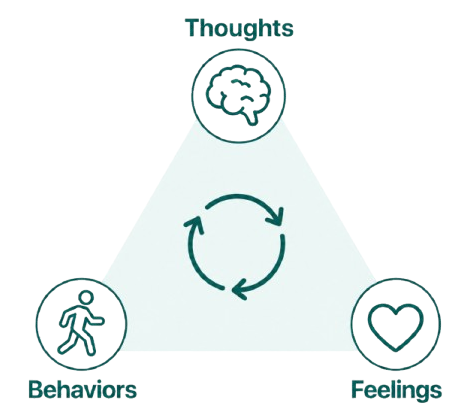
Trauma-Informed Cognitive Behavioral Therapy
Trauma-Informed CBT helps young people understand the connection between difficult experiences, thoughts, emotions, and behaviors. They learn practical coping skills and begin identifying beliefs that may increase fear, guilt, shame, or avoidance. Here are a few examples:
Self-Blame
“What happened was my fault.”
A More Balanced Response:
“I was not responsible for another person’s actions or the event that occurred.”
Expecting Ongoing Danger
“Something terrible will happen again.”
A More Balanced Response:
“My mind is warning me about danger, but I can check whether I am safe now.”
Difficulty Trusting Others
“I cannot trust anyone anymore.”
A More Balanced Response:
“Some people may be unsafe, but I can learn to recognize and choose trustworthy support.”
Feeling Powerless
“I have no control over anything.”
A More Balanced Response:
“I cannot change what happened, but I can make choices about my safety and recovery.”
Here are some key trauma-treatment skills your child will learn:
Safety and Stabilization
Recognizing current safety, identifying support, and developing strategies for managing distress during difficult moments.
Emotional Regulation
Learning practical ways to recognize, tolerate, and manage fear, sadness, anger, guilt, and physical stress reactions.
Cognitive Restructuring
Identifying trauma-related beliefs and developing more accurate perspectives about responsibility, safety, trust, and control.
Gradual Exposure
Approaching safe memories, reminders, and situations gradually to reduce avoidance and rebuild confidence over time.
Caregiver Support
Helping parents understand trauma reactions, strengthen communication, support coping skills, and encourage recovery without pressure.
How Can We Help?
If you have questions or would like to make an appointment, please complete this form, and we will get back to you as soon as possible. You can also email kerri@cymh.org or call our SLO Center at (805) 996-0535 or our Santa Cruz Center at (831) 222-0052.

Support Mental Health. Support the Future.
Your donation helps provide low-cost treatment, parents programs,
scholarships, and traning opportunities.