What is OCD?
Obsessive-compulsive disorder (OCD) is a debilitating disorder characterized by unwanted, distressing thoughts, images, or urges that lead to repetitive behaviors or mental acts that temporarily relieve anxiety.
Over time, the cycle of obsessions and compulsions can become more intense, leading to significant interference in daily functioning. Individuals with OCD may recognize that their obsessions and compulsions are irrational, yet they feel powerless to control them.
CYMH clinicians specialize in Exposure and Response Prevention (ERP), the gold-standard treatment for OCD.
If your child is suffering from OCD, it is critical to find a clinician with knowledge of and skills in ERP.
Common OCD Challenges
Too many young people struggle with mental health challenges and cannot access effective care. We exist to expand access to quality, evidence-based mental health care for children, teens, young adults, and their families.
Contamination Fears
Contamination fears in kids and teens with OCD involve intense anxiety about germs or dirt, leading to repetitive behaviors like excessive handwashing or cleaning. These fears can disrupt daily life, affecting school, friendships, and overall well-being. Teens may also avoid certain places or situations to reduce anxiety.
Ordering
The ordering subtype of OCD in kids and teens involves a need for things to be arranged in a specific way. This can lead to anxiety if things aren’t "just right" and may disrupt daily activities like school, socializing, and completing tasks. The need for symmetry can interfere with overall well-being
Checking Behaviors
Checking behaviors in kids and teens with OCD involve repeatedly checking things, like locks or lights, to prevent harm or disaster. This can cause significant anxiety if they don’t check repeatedly, disrupting daily routines, school work, and social interactions. These behaviors can become timeconsuming and interfere with overall functioning.
Intrusive Thoughts
Intrusive thoughts in kids and teens with OCD are unwanted, disturbing thoughts that cause anxiety. These thoughts may involve fears of harm or doing something inappropriate, leading to rituals to neutralize the thoughts. They can be overwhelming, affecting focus, relationships, and daily activities.
Exposure with Response Prevention (ERP)
ERP is the gold standard treatment for OCD. At CYMH, we specialize in ERP and adhere to its scientifically grounded protocols.
What to expect when being treated with EPR by one of our skilled clinicians:

Assessment & Understanding
The therapist will help you understand OCD, including the specific obsessions and compulsions that are part of your family's experience. This involves identifying situations, thoughts, or triggers that lead to anxiety and compulsive behaviors. During this process, a therapist may ask a young patient to rank their anxiety caused to various objects or experiences.
Psychoeducation
The therapist will explain to your child the OCD cycle—how obsessions lead to compulsions that temporarily reduce anxiety, but in the long run, reinforce the OCD pattern. The therapist will help them understand that it’s okay to experience discomfort without acting on the compulsions.
Gradual Exposure and Response Prevention
The therapist will guide your child through feared situations, starting with the least anxiety-provoking. Gradually, they will confront more challenging situations. A key part of ERP is preventing compulsive behaviors in response to anxiety, allowing your child to tolerate the distress and gradually break the cycle of reinforcing OCD.
Repetition & Lasting Change
Repetition and gradual improvement involve consistently practicing exposure exercises to reduce anxiety over time, with the therapist reviewing progress and adjusting the exposure levels as needed. Clients continue practicing independently, using coping strategies to resist compulsions, and preparing for relapse prevention. Long-term strategies, such as mindfulness and coping skills, help young people strengthen their confidence and manage anxiety effectively outside of therapy.
What Can You Do At Home?
Start by gently reducing reassurance and accommodations.
Reassurance, like saying “Everything is fine, ” may ease anxiety short-term, but it feeds OCD long-term. Instead, acknowledge their feelings without trying to fix them. Try: “I know this is hard, and I believe you can handle it. ”
Accommodations, like helping with rituals or avoiding things that might trigger OCD, also keep OCD going. Begin stepping back while offering calm support.
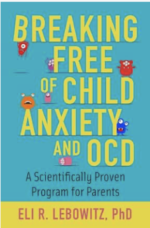
At CYMH, we offer Supportive Parenting for Anxious Childhood Emotions (SPACE) training for parents of youth struggling with anxiety and OCD. Please check in with our Parent Center for upcoming group trainings.
Obsessive Compulsive Disorder Articles
Here you can explore articles from Dr. Lori Butterworth’s blog. Several of these have been published by Times Publishing Group and offer practical, evidence-based guidance for obsessive compulsive disorder.

How Can We Help?
If you have questions or would like to make an appointment, please complete this form, and we will get back to you as soon as possible. You can also email kerri@cymh.org or call our SLO Center at (805) 996-0535 or our Santa Cruz Center at (831) 222-0052.

Resources We Recommend
These resources are carefully vetted and align with the evidence-based treatments we provide at the Center for Youth Mental Health.
Obsessive Compulsive Disorder (OCD)
Websites
Books
Podcasts
YouTube Channels
Support Mental Health. Support the Future.
Your donation helps provide low-cost treatment, parents programs,
scholarships, and traning opportunities.