Welcome to the Center
-
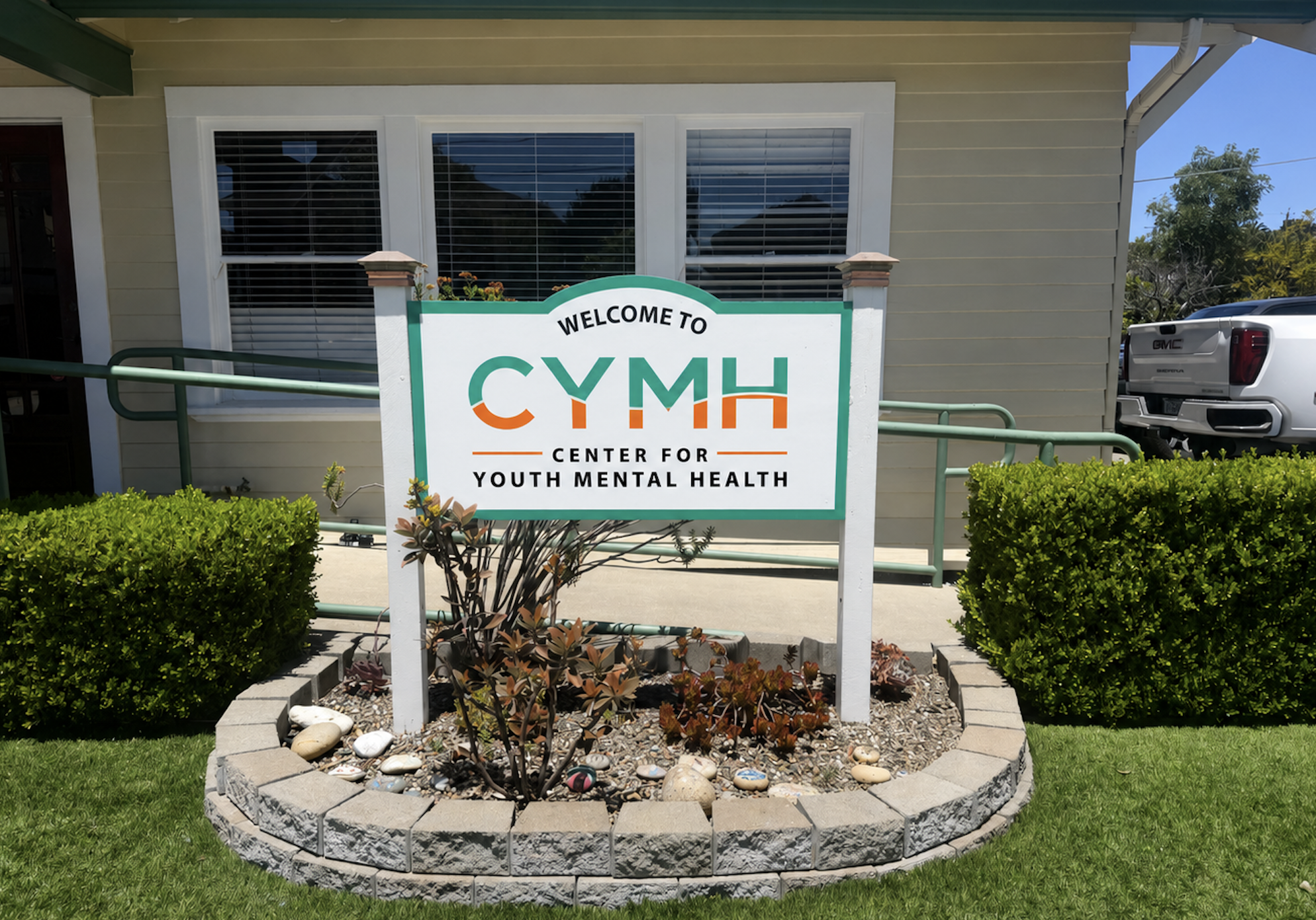
The Center for Youth Mental Health currently has two treatment centers, one in San Luis Obispo and one in Santa Cruz County, where children, teens, and families can receive compassionate, in-person care from clinicians trained in evidence-based treatments.
We also offer online therapy throughout California, helping more families connect with skilled clinicians wherever they live. As we continue to grow, CYMH is preparing to open new treatment centers in San Francisco and Los Angeles.


The Treatment Center
If you’re a parent or caregiver looking for mental health treatment for your child or teen, we’re here to help. We specialize in evidence-based treatments that have been extensively researched and shown to be effective.

Examples of Evidence-Based Treatments
Not all mental health treatments are equal. Some are backed by scientific evidence; others are not. Therapists who use treatments based on science provide “evidence-based practice” (EBP). If the treatments they use have scientific evidence supporting the effectiveness, they are called evidence-based treatments (EBTs). EBTs are listed as best practice and preferred approaches for mental health symptom treatment by the American Psychiatric Association and the American Psychological Association. We offer the following EBTs:
Cognitive Behavioral Therapy (CBT)
Cognitive Behavioral Therapy is a widely used approach that helps individuals identify and challenge negative thought patterns and behaviors contributing to their mental health challenges. It's particularly effective for anxiety disorders, depression, and other mood disorders in youth
Acceptance and Commitment Therapy (ACT)
Acceptance and Commitment Therapy (ACT) is an evidence-based therapeutic approach that focuses on helping individuals develop psychological flexibility, increase awareness of the present moment, and commit to values-based actions. ACT is rooted in the contextual behavioral science framework and is often used to treat a wide range of mental health issues, including anxiety, depression, stress, and chronic pain. While it's not exclusively designed for youth, it can be adapted for adolescents and children
Exposure and Response Prevention (ERP)
Exposure and Response Prevention (ERP) is a specific type of CBT commonly used for treating obsessive-compulsive disorder (OCD) and phobias in youth. It involves gradually exposing the individual to anxiety-inducing situations while refraining from engaging in their typical compulsive and avoidance behaviors.
Habit Reversal Therapy (HRT)
Habit Reversal Training (HRT) is an evidence-based behavioral therapy used to treat body-focused repetitive behaviors, such as hair pulling, skin picking, and nail biting, as well as tic disorders. HRT helps individuals become more aware of urges and triggers, develop a competing response that makes the behavior more difficult to perform, and build practical strategies for managing stress and preventing relapse.
Dialectical Behavior Therapy (DBT)
CYMH uses a Dialectical Behavior Therapy (DBT)-informed approach that combines cognitive-behavioral strategies with mindfulness, acceptance, and practical skills. Originally developed to treat borderline personality disorder, DBT is also effective in helping adolescents reduce self-harm, manage intense emotions, improve relationships, and develop healthier coping skills.
Frequently Asked Questions
How Should We Prepare for the Intake?
Please complete all required consent forms, background information, questionnaires, and assessment materials through the client portal before your appointment. Providing complete information helps your clinician better understand your child’s strengths and concerns.
Will My Child Receive a Diagnosis at the Intake Session?
Not necessarily. Questionnaires, interviews, clinical observations, and background information are considered together. A diagnosis is never based on forms alone, and additional sessions or information may sometimes be needed.
Do Both Parents or Caregivers Need to Attend?
When possible, it can be helpful for both parents or caregivers to participate. However, attendance can be discussed based on your family’s circumstances, availability, and the child’s needs.
Will My Child Be Present for the Entire Appointment?
This depends on your child’s age, needs, comfort, and the nature of the concerns. Your clinician will determine how the session time should be divided between the child and their parents or caregivers.
How much does treatment cost?
The fee for an intake or assessment session ranges from $225 to $325. The fee for a 55-minute therapy session ranges from $125 to $225. We also offer a generous sliding scale. Families with Central California Alliance for Health Medi-Cal pay nothing.
Before treatment begins, you will receive a Good Faith Estimate outlining costs.
What Happens After the Intake?
Your family will receive a written summary that includes clinical impressions, treatment recommendations, and suggested next steps. If treatment continues, appointments will be scheduled according to the recommended treatment plan.
Can the Written Summary Be Shared With Other Professionals?
Yes. Many families find the summary helpful when working with schools, pediatricians, psychiatrists, therapists, and other professionals. It can be shared with your permission.
Does Insurance Cover Treatment?
CYMH does not bill private insurance companies directly. Families pay for services and may submit a Superbill for possible out-of-network reimbursement, depending on their plan.
The Santa Cruz Center bills the Central California Alliance for Health directly for eligible Medi-Cal services. Families should contact their insurance provider to confirm coverage and reimbursement before treatment begins.
How Can We Help?
If you have questions or would like to make an appointment, please complete this form, and we will get back to you as soon as possible. You can also email kerri@cymh.org or call our SLO Center at (805) 996-0535 or our Santa Cruz Center at (831) 222-0052.
Support Mental Health. Support the Future.
Your donation helps provide low-cost treatment, parents programs,
scholarships, and traning opportunities.