The Comprehensive Behavioral Therapy (ComB)
If your child or teen pulls their hair or picks their skin, you’ve probably already searched for answers and maybe felt some relief just learning there’s a name for this: Body-Focused Repetitive Behaviors (BFRBs) and that it’s more common than people realize. The next question is usually: what actually helps?
One of the most evidence-based and respected approaches is called the Comprehensive Behavioral model, or ComB for short. It was developed by psychologist Dr. Charles Mansueto, and it’s built on a simple but important idea: no two kids pull hair for exactly the same reasons — so treatment shouldn’t look exactly the same for everyone either
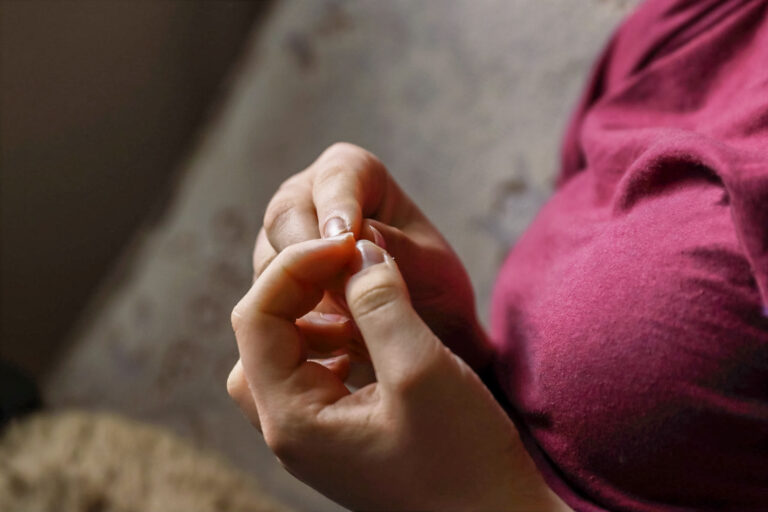
First, we get to know the "why" behind the pulling.
CYMH uses ComB, the gold-standard treatment for BFRBs.
One of our therapists will gently explore several areas with your child or teen, often including:
What it feels like...
Are there physical sensations involved, either that trigger pulling or that make it feel satisfying?
What they're thinking...
Are there certain thoughts, like "this doesn't feel right" or "I need it to be even," that show up beforehand?
What they're feeling
Does pulling tend to happen during stress, boredom, anxiety, or even relaxation (like watching TV)?
How it happens physically...
Is your child aware they're pulling, or does it happen almost automatically, without them noticing?
Where and when it happens...
Are there specific places or situations — the car, bedtime, homework — where it tends to come up?
What Treatment Actually Looks Like
Because ComB looks at the whole picture — the physical, emotional, and situational pieces — rather than treating hair-pulling as one simple habit, it tends to lead to more meaningful and lasting change. Many families find that once they understand why the pulling happens, it feels far less mysterious and far more manageable.
Building awareness
The therapist will help you and your child build awareness of pulling moments and the urges that come before them.
Alternative actions
Next, your therapist will help discover alternative actions your child can do instead, which are gentle and often surprisingly simple
Small changes to their environment
Making small changes to their environment will make pulling less automatic.
Working with difficult thoughts
Your child will learn to work with difficult thoughts and feelings in healthier ways
Support and training for parents
Your therapist will work closely with parents to integrate therapy and care at home.
How Can We Help?
If you have questions or would like to make an appointment, please complete this form, and we will get back to you as soon as possible. You can also email kerri@cymh.org or call our SLO Center at (805) 996-0535 or our Santa Cruz Center at (831) 222-0052.
Support Mental Health. Support the Future.
Your donation helps provide low-cost treatment, parents programs,
scholarships, and traning opportunities.